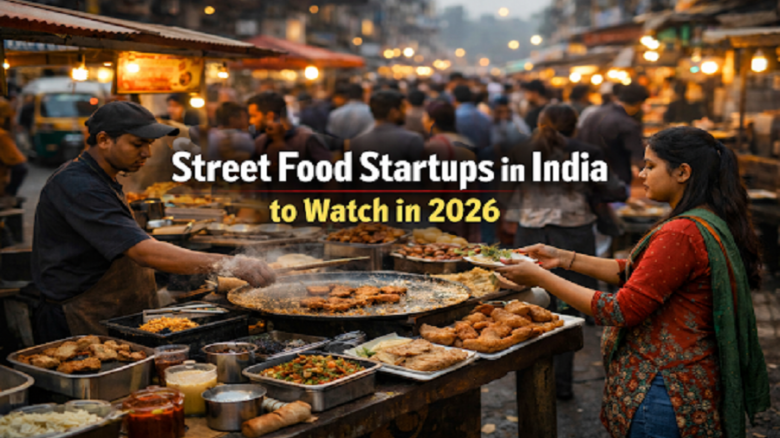
India is a nation where food isn’t purely about hunger — it’s about feeling and memory, culture, and daily existence. Whether it is spicy chaat on the bustling roads or piping hot dosas at roadside corners, street food has always been the soul of Indian metropolises. But now, in 2026, something strange is happening. Street food is gradually getting organized, modern, and digitized.
Young entrepreneurs are scaling food kiosks into businesses. They are turning street food into street startups with technology, branding, delivery apps, and smart menus. Here is the blog which will help you get to know some of the trending street food startups in India that are going to be a thing in 2026, along with some trends and reasons behind why this space is hot cake.
Why Street Food Startups Are Growing Fast
The enormous and still growing size of India’s food industry is spawning many startups in the street-food sector. Most people would rather have cheap, delicious, and fast food. This makes street food perhaps one of the most durable business models in the country. Industry insights suggest food businesses like food trucks to cloud kitchens are lucrative opportunities with an increasing demand for convenience and innovation.
Here are some of the primary factors contributing to this increase:
- Increasing urban population
- Unhealthy eating time and fast food demand
- Rise of food delivery apps
- Social media food trends
- Low investment startup ideas
- Love for regional flavors
Today’s startups do not only sell food — they create brands, experiences, and scalable systems.
1. Dahibara Express – Taking Regional Street Food National
Perhaps one of the most inspiring examples is a startup that’s built around regional street food from Odisha by the name of Dahibara Express. The founder began the business with a straightforward premise — those living outside their homes miss their local cuisine.
The startup provides traditional street food available in various cities. The long-term goal is even broader: to make Indian regional snacks mainstream around the globe.
Watch this startup in 2026
- Focus on emotional food connection
- Regional menu innovation
- Expansion potential through franchise model
- Strong storytelling brand
This startup demonstrates how even a humble street dish can attain national branding.
2. Kaati Zone – Organized Indian Street Rolls
Kaati Zone is no new name, but its fast-casual street model has newer startups looking in envy. It is a smaller Kathi roll-focused brand that targets younger urban consumers.
Why it still matters
- Standardized street food experience
- Quick service restaurant-style operations
- Strong urban demand
- Vegetarian and non-veg options
Those same brands are teaching a new generation of founders how to scale street food chains.
3. Cloud Kitchen Street Food Brands
Cloud kitchen companies are changing the street food ecosystem. For example, Rebel Foods operates multiple digital restaurant brands and runs hundreds of cloud kitchens across countries.
These kitchens help street food startups grow faster because they:
- Reduce rent and setup cost
- Enable delivery-first model
- Allow multiple brands from one kitchen
- Support menu experimentation
In 2026, we will see more street food startups launching directly as cloud brands.
4. Delivery-Driven Street Food Platforms
Food delivery startups have also played a big role. Companies like Swiggy operate in hundreds of cities and connect small food businesses with online customers.
This means even a small street food startup can:
- Reach thousands of customers daily
- Build digital reviews and ratings
- Run offers and promotions
- Scale without opening many outlets
This delivery ecosystem is one of the biggest growth drivers for street food startups.
Trends That Will Shape Street Food Startups in 2026
1. Regional Street Food Boom
Folks are bored of the same burgers and pizzas. They seek real local small bites like the following:
- Indori poha
- Kolkata rolls
- Mumbai vada pav
- Hyderabad dosa
Local identity startups are going to grow faster.
2. Hygiene and Branding Focus
Earlier, street food had lower hygiene perceptions. Now startups are investing in:
- Clean uniforms
- Transparent kitchens
- Packaging design
- Food safety compliance
It establishes trust and the ability to charge premium pricing.
3. Social Media Virality
Online food trends today move very quickly. Dishes that are one of a kind, like experimental dosas or fusion snacks, can go viral on social media and make people come out to try the experience.
Street-food startups are now curating “Instagram-friendly menus.”
4. Affordable Food Delivery Apps
Also, new low-cost delivery platforms are making their way into cities to appeal to cost-conscious consumers. Thus, street food startups reach more orders online and new customers.
Challenges Street Food Startups May Face
While the opportunities are vast, this sector also has its challenges.
Fuel and Cost Issues
Most vendors rely on LPG to cook. Disruptions to supply or price increases can spill over into day-to-day operations and menu pricing.
Competition
The entry barrier is low. New entrants can join the competition at any time.
Licensing and Compliance
But new government reforms are making food licensing rules simpler, which benefits growth for small vendors and startups.
Technology Will Change Street Food Businesses
We will be defining success through the lens of technology by 2026.
Some important tools include:
- QR code ordering
- Digital payments
- Data-based menu planning
- Online brand marketing
- Customer feedback tracking
The evidence of the digital distribution revolution of traditional sectors is seen in agriculture platforms such as https://khetigaadi.com/ — the transformation is similar for street food startups.
How Entrepreneurs Can Start a Street Food Startup
Super Simple Steps to Start Your Street Food Business
Step 1: Find a food idea that is unique
Think about something emotional or a local issue.
Step 2: Initiate small but imagine big
Food cart → kiosk → cloud kitchen → chain
Step 3: Establish a strong brand name
People remember stories, not just taste.
Step 4: Be early with delivery apps
The importance of online presence is huge nowadays.
Step 5: Maintain quality consistency
Repeat customers are the true profit.
Future of Street Food Startups in India
The future looks bright. In fact, street food is not an unorganized sector anymore. It is becoming:
- Investment friendly
- Technology enabled
- Youth driven
- Brand focused
- Expansion ready
Indian street food startups may go international by 2026 and later. So, it’s not just pizza and sushi — there is definitely potential for Indian chaat, rolls, and snacks to enter global markets like coffee chains and burger brands.
Investors are also interested because food is a daily consumption category with stable demand.
Conclusion
Street food startups are entering a high-octane growth phase in India. They are fusing tradition with innovation. From state provincial dishes to cloud kitchens and delivery apps, the business is changing very quickly.
Startups such as Dahibara Express and organized roll brands have demonstrated that even the simplest foods can emerge as scalable businesses. Street food entrepreneurs in 2026 can have successful ventures if they master branding, hygiene standards, and digital presence.
This is the right time for young founders to enter food startups. India’s passion for street food is here to stay — it’s only getting bigger, smarter, and more riveting.